
ONDA Body Contouring in Korea: What It Feels Like and If It’s Worth It
Have you been searching for a gentle yet effective way to address stubborn fat or skin laxity without surgery? ONDA treatment Korea offers a non-invasive body contouring solution that uses focused microwave energy to selectively heat and destroy fat cells while cooling the skin’s surface for comfort. This innovative approach also stimulates collagen production, helping to tighten the skin in the treated areas. To use it, you simply schedule a session with a certified provider in Korea, who will guide the handheld device over your target zones for a procedure that typically requires no downtime.
What Exactly Is ONDA and Why Is It Different From Other Skin Tightening Devices?
ONDA treatment Korea utilizes a unique microwavelength that heats the deep dermis to 65°C, while cooling the skin’s surface simultaneously. Unlike RF or HIFU devices that rely on collagen contraction, ONDA selectively targets and destroys fat cells beneath the skin, triggering immediate volumetric reduction and a secondary, intense collagen remodeling response. This dual action is what makes it different: most skin tightening devices only shrink tissue, but ONDA physically removes the fat that causes sagging, then tightens the remaining skin from within. The result is a more dramatic, structural lift that feels like a facelift, not just a surface tone-up, which is why ONDA treatment Korea is sought after for jawline definition and submental laxity.

The Science Behind ONDA: How It Targets Deep Fat and Fibrous Tissue
ONDA’s distinction lies in its dual-wavelength technology, which bypasses the epidermis to deliver controlled microwave energy precisely into the deep dermis. This energy selectively heats water molecules within deep fat and fibrous tissue, triggering immediate collagen contraction and subsequent neocollagenesis. In Korea, where advanced body-contouring protocols are standard, ONDA’s cool-tipped surface protects the skin while the inner temperature climbs to 65–70°C, effectively disrupting stubborn adipocytes and remodeling dense septae. The result is a volumetric reduction and tightening effect that manual radiofrequency cannot reach, making it a precise tool for chin, abdomen, and arm laxity without incisions or downtime.
Microwave vs. Radiofrequency: Where ONDA Stands in the Body-Contouring Spectrum
In the body-contouring spectrum, radiofrequency heats tissue broadly, often dissipating energy through superficial layers and requiring multiple sessions to provoke a mild collagen response. Microwave technology, which ONDA employs, penetrates deeper and delivers controlled dielectric heating directly to the subcutaneous fat layer. This precise targeting allows ONDA to induce immediate fat cell disruption and simultaneous dermal tightening, a dual action radiofrequency cannot reliably achieve. For patients seeking a single, definitive solution in Korea, microwave-based fat reduction offers a distinct advantage over gradual radiofrequency remodeling. The practical sequence is: 1) microwave energy selectively heats deep fat, 2) the body metabolizes disrupted cells, 3) collagen contracts and rebuilds for ongoing skin firmness.
How to Prepare for Your ONDA Session in South Korea
To maximize results from your ONDA treatment Korea session, begin by cleansing your skin thoroughly and arriving makeup-free, as the device targets the deep dermal layer without surface disruption. Skip harsh exfoliants or retinoids for at least three days prior, ensuring your skin barrier is calm and receptive. For how to prepare for your ONDA session, hydrate well for 24 hours beforehand—plump skin conducts radiofrequency energy more efficiently, boosting collagen remodeling. Avoid caffeine and alcohol on the day of your appointment to minimize sensitivity. Wear loose, comfortable clothing so you can relax during the 30-minute procedure. Since ONDA uses controlled cooling, you’ll feel only warmth, not pain, but inform your clinician of any active breakouts or recent sun exposure. Post-session, no downtime means you can immediately resume daily life, yet your results compound over three months—so treat each preparation step as an investment in firmer, tighter skin.
Consultation Do’s and Don’ts: What to Tell Your Clinician Before the Procedure
Before your ONDA session in South Korea, disclose all medications, supplements, and skin sensitivity history to your clinician, as these directly influence treatment safety and efficacy. Do list any recent cosmetic procedures, including fillers or threads, since ONDA targets deep dermal layers where such materials may interact. Don’t withhold pregnancy status, active infections, or autoimmune conditions—even if you assume they’re irrelevant. Be equally transparent about your pain tolerance and any previous reactions to radiofrequency or ultrasound devices. Clinicians in Seoul often customize parameters based on your lifestyle factors, so mentioning frequent sun exposure or smoking is paramount. Omit only irrelevant personal anecdotes; prioritize medical facts, medication names, and realistic post-procedure expectations to avoid complications.

Pre-Treatment Checklist: Skincare, Fasting, and What to Wear to the Clinic
Before your ONDA session in Korea, your pre-treatment checklist begins with skincare: arrive with a completely clean, makeup-free face, and avoid strong actives like retinoids or acids for at least three days prior to reduce sensitivity. Fasting is not required for this non-invasive procedure, but skip heavy meals and caffeine for two hours beforehand to stay comfortable. Wear loose, button-front or zip-up clothing to the clinic, as you will need to expose the treatment area without pulling anything over your head. For neck or jaw work, a low-collar top is ideal. Follow this sequence: cleanse, skip actives, eat lightly, dress simply.
What Does ONDA Feel Like and What Happens During a Typical Session?

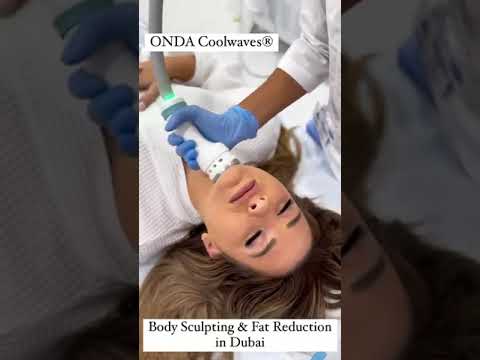
You settle onto the treatment bed in a sleek Seoul clinic, the cool gel on your skin the first sensation. The ONDA handpiece glides over your face, and instead of a sharp sting, you feel a *rhythmic warmth*—like a deep, pulsing sunbeam penetrating beneath the skin, never burning the surface. During a typical 30-minute session in Korea, the practitioner moves methodically, targeting the jawline and cheeks, while you feel a distinct popping sensation as the microwaves work on deeper fat layers. Most sessions involve no numbing cream, just a comforting, intermittent heat that peaks and fades. You might feel a slight tingling in your teeth near the lower face—a surprising but normal sign the energy is reaching the right depth. By the end, your skin is flushed but calm, with zero downtime as you walk back into the bustling streets of Gangnam. The heat feels more like a focused massage than a medical procedure, which makes the quiet hum of the device almost hypnotic. Korean practitioners often pause to let you sip water, ensuring you stay comfortable. No pain, just a controlled, internal warmth that signals collagen remodeling. Afterward, a cooling mask is applied, leaving you with a mildly tightened, glowy sensation that lasts for hours.
Pain Level, Cooling Effects, and Session Length: A Realistic Walkthrough
Most patients rate the sensation as a hot prickling sting rather than sharp pain, typically a 4–6 on a 10-point scale during the first pass. The integrated cooling tip activates immediately before each radiofrequency pulse, creating a protective cold layer that reduces surface discomfort, though deeper dermal heating remains noticeable. Each session runs 20–30 minutes for the full face, with the cooling effect making longer exposure tolerable in 15-second intervals. This realistic walkthrough of pain and cooling shows that most discomfort peaks mid-pulse and fades within seconds as the cryogen spray resets the skin. Thermal buildup is managed via constant temperature monitoring, shortening session length if the epidermis exceeds 42°C.
Q: Does continuous cooling make the entire session painless?
A: No—cooling only dulls the immediate surface sting. Deep collagen heating still causes a dull, throbbing ache during the second half of each pulse, which is why sessions are capped at 30 minutes to avoid cumulative heat fatigue.
Areas You Can Treat: From Submental Fat to Bra Bulge and Stomach
During a session, the handpiece glides smoothly over each distinct zone, and you’ll feel a wave of cooling as the applicator targets stubborn pockets. For the submental fat beneath your chin, the sensation is a sharp but brief warmth, while treating the bra bulge along your back produces a deeper, more concentrated pulse along the denser tissue. The stomach, however, demands a slower pace; the technician will contour the device over the full abdomen, and you’ll sense the energy layering beneath the skin. Because each area has a unique thickness, the intensity shifts—never painful, just noticeable—so you can relax, knowing the precise treatment is tailored to that specific curve. Targeted ONDA body contouring adapts to every zone’s anatomy, ensuring no area is undertreated.
From the chin’s delicate underside to the bra line’s stubborn ridge and the stomach’s expansive surface, ONDA delivers a varied, tolerable sensation that maps directly to the fat’s depth and density in each region.

How Many ONDA Sessions Do You Actually Need for Visible Results?
For most people visiting Seoul for ONDA treatment Korea, the sweet spot for visible results lands between **three and four sessions**. Unlike aggressive lasers, ONDA uses controlled microwaves to tighten deep skin layers, so your body needs time to rebuild collagen—meaning you won’t see dramatic change after a single visit. Most Korean clinics recommend spacing sessions three to four weeks apart, letting your skin’s natural remodeling kick in. By the second session, you’ll notice subtle firmness; by the third, jawline definition and reduced facial fat become apparent. For stubborn areas like the lower face or double chin, a fourth session maximizes the outcome. You could see minor improvements earlier, but committing to at least three sessions ensures the deep dermal response actually translates into the lifted, contoured look you flew to Korea for.
Common Treatment Protocols: Single-Session Impact vs. Multi-Session Plans
In ONDA treatment Korea, protocols hinge on whether you choose a single session or a structured multi-session plan. A single-session impact is best for immediate, subtle tightening—visible within days—but is inadequate for deep dermal remodeling. Multi-session plans, typically three to five spaced four weeks apart, target progressive collagenesis, yielding cumulative firmness and fat reduction that a lone treatment cannot match. Clinics in Korea rarely promise permanence from one visit; they prioritize staged plans for lasting outcomes. Your provider calibrates energy and passes per session, not overloading skin to force results, ensuring safety while building structural change.
- Single sessions suit maintenance or pre-event touch-ups, not structural correction.
- Multi-session protocols allow safe energy stacking across weeks for deeper fat and collagen response.
- Visible optimization emerges after the second session, with full effect at third and beyond.
- Gap spacing (3–4 weeks) is non-negotiable for fibroblast recovery between treatments.
When Will You See Changes and How to Track Progress Week by Week
Most patients first notice subtle textural shifts—typically smoother skin and reduced oiliness—by the end of week one, though these are often mistaken for hydration effects. Real structural changes, such as tightened pores and softened acne scars, appear between weeks three and four, as collagen remodeling accelerates. By weeks six to eight, visible firmness and contour definition become measurable. To track progress week by week, take standardized frontal and side photos under identical lighting and angle every seven days, and log daily skin texture ratings on a 1–5 scale. Measure pore diameter using a magnifying mirror at the same cheek location weekly; a 20–30% reduction by week six confirms you are on schedule. Avoid judging daily—inflammation from deeper remodeling can temporarily mask gains around days 10–14. Week-by-week photo documentation paired with texture scoring is the most reliable way to verify ONDA treatment progress in Korea without relying on subjective mirror checks.
Expect subtle changes by week one, measurable collagen effects by weeks three to four, and peak firmness at weeks six to eight, tracked via standardized weekly photos and scaled texture ratings.
Tips for Choosing the Right ONDA Provider and Clinic in Korea
When selecting a provider for ONDA treatment in Korea, prioritize clinics that demonstrate hands-on experience with this specific microwave-based skin-tightening device, as operator skill directly influences results. Verify that the practitioner performs a personalized skin assessment before recommending ONDA, measuring fat thickness and skin laxity to tailor energy levels rather than offering a one-size-fits-all protocol. Ask to see before-and-after photos from Korean patients with your skin type and concern, focusing on subtle, natural contouring rather than dramatic changes. Request a patch test on a small area to gauge your comfort and reaction, and confirm the exact number of passes per session to avoid under-treatment. Be wary of clinics bundling ONDA with aggressive liposuction packages, as the technology is best used for mild-to-moderate laxity, not volume reduction. Finally, ensure the same physician who consults you will perform the treatment, as technician turnover in busy Seoul clinics can compromise consistency.
What to Look for in Equipment Versions and Probe Handling Techniques
When evaluating ONDA clinics in Korea, scrutinize the specific equipment generation, as older versions may deliver inconsistent energy delivery and less comfort. Confirm the provider uses the latest firmware and calibrated handpieces, as probe condition directly affects treatment precision and safety. Ask whether they employ single-use tips or rigorous sterilization protocols for reusable probes; improper handling risks cross-contamination and uneven fat reduction. Observe if the technician adjusts probe pressure and motion based on your skin laxity and target area—skilled handling minimizes bruising and optimizes subdermal heating. Proper probe-to-skin contact technique is non-negotiable for uniform results.
- Verify the device model and ask for its software update date.
- Request a demonstration of probe calibration before your session.
- Confirm whether tips are single-patient or single-use.
- Watch that the technician adapts stroke speed and angle to your anatomy.
Red Flags to Watch Out For During Your Clinic Consultation

During your ONDA consultation in Korea, a red flag appears if the provider guarantees identical results to photos or promises permanent fat loss without discussing maintenance. Be wary of pressure tactics, such as same-day booking discounts or upselling multiple sessions before you’ve seen a personalized treatment plan. A credible clinic will show you the actual device, explain pain levels honestly, and offer a patch test—if they rush this, walk away. Also, watch for vague answers about how many sessions your specific skin type needs, or staff who deflect questions about side effects. Transparency is non-negotiable; evasiveness signals risk.
Red flags during an ONDA consultation include hidden costs revealed only after payment. Always request a written quote upfront.
Q: What is the biggest red flag during an ONDA consultation?
A: When the clinician cannot clearly explain the procedure’s limitations or refuses to show before-and-after photos of real, unedited clients—this suggests they prioritize sales over your safety.
How to Maximize and Maintain Your ONDA Results After the Treatment
To keep your ONDA results in Korea looking fresh, treat your skin like it just ran a marathon. Right after the session, hydrate aggressively—slather on a gentle, ceramide-rich moisturizer morning and night, since the heat can temporarily strip your barrier. For the first week, skip harsh acids, retinol, and any vigorous rubbing; your face needs chill time. Maintaining collagen production is the real game, so pair your glow with daily SPF 50+ (Korean sunscreens are perfect for this) and consider a low-dose vitamin C serum after day five. Boost results by booking a follow-up touch-up at your Korean clinic around 4–6 weeks later.
The magic isn’t the machine—it’s the daily moisture and sun block you commit to afterwards.
And yes, that late-night Korean fried chicken? It’s fine, just don’t make it a weekly ritual. Your skin will thank you.
Post-Treatment Skincare and Compression Garments: Do You Need Them?
Unlike surgical body contouring, ONDA’s non-invasive radiofrequency does not require compression garments; your skin’s superficial layers remain intact, so compression won’t “shape” the treated area. Instead, your focus should be on post-treatment skincare that supports collagen remodeling. For 48 hours, use only gentle, fragrance-free cleansers and a basic moisturizer—skip active ingredients like retinol or acids until mild redness subsides. Sunscreen is non-negotiable for at least two weeks, as UV exposure can disrupt the thermal-induced healing cascade. If you ONDA lifting seoul experience mild swelling, a soft, non-binding garment may offer comfort, but it is optional—never tight or worn for extended periods. Prioritize hydration from within and avoid intense heat (saunas, steam) for three days to optimize your skin’s recovery.
- Compression garments are not required; choose breathable, loose clothing to prevent friction.
- Apply SPF 50+ daily, starting the morning after treatment, to protect delicate remodeling skin.
- Delay exfoliants and vitamin C until day three, then reintroduce gradually.
- Drink 2 liters of water daily for two days to enhance lymphatic drainage and hydration.
Combining ONDA with Diet, Exercise, and Other Procedures for Better Outcomes
To maximize ONDA results in Korea, pair each session with a low-sodium, anti-inflammatory diet rich in lean protein and leafy greens, which reduces fluid retention and supports collagen remodeling. Engage in consistent moderate exercise—like brisk walking or yoga—three times weekly to boost lymphatic drainage and metabolic turnover, but avoid high-impact workouts for 48 hours post-treatment. For synergistic effects, combine ONDA with同期 procedures such as HIFU or thread lifts to target deeper structural laxity while ONDA addresses superficial skin tightening—schedule these at least two weeks apart for optimal tissue recovery. Strategic sequencing of ONDA with complementary procedures amplifies overall firming. *However, always consult your Korean clinic’s specialist to tailor a timing protocol, as overlapping energy-based devices can overstress the dermis.* Maintain hydration and SPF daily to protect newly stimulated collagen.
Common ONDA Side Effects, Downtime, and When to Seek Help
In ONDA treatment Korea, common side effects are typically mild and transient, including temporary redness, slight swelling, and a warm, prickling sensation immediately after the procedure. These effects usually subside within a few hours to one day, making downtime minimal—most patients in Korean clinics return to work or social activities the same day. Some may experience pinpoint petechiae or minor dryness for 2–3 days, which resolves with moisturizer. When to seek help in Korea: contact your clinic immediately if you develop blistering, crusting beyond 48 hours, intense persistent pain, or signs of infection like pus or fever. Also, seek prompt evaluation if hyperpigmentation or textural changes appear after one week, as Korean dermatologists advise a follow-up within 10 days to manage any delayed reaction safely.
Expected Redness, Tingling, and Bruising—What’s Normal for the First 48 Hours
Within the first 48 hours after ONDA treatment in Korea, expected redness and tingling typically peak as a direct response to controlled thermal injury. This erythema usually resembles a mild sunburn, concentrated in the treated zones, while tingling arises from superficial nerve irritation. Bruising, though less common, appears as small, faint purple speckles where microvasculature was disrupted. The progression follows a logical timeline: redness intensifies for 6–12 hours, tingling fluctuates with skin temperature, and any bruising darkens before fading. Normal recovery means these symptoms diminish steadily, without spreading, and respond to cold compresses. They should never worsen after the first day. If they do, the reaction exceeds expected parameters.
- Redness that fades by hour 48 indicates normal inflammatory resolution
- Tingling that lessens with cooling suggests expected nerve sensitivity
- Bruising smaller than a coin and non-raised confirms standard capillary response
Who Should Avoid ONDA and How to Spot a Bad Reaction Early
ONDA is not suitable for individuals with active skin infections, open wounds, cold sores, or a history of keloid scarring, as the radiofrequency energy can exacerbate inflammation or trigger abnormal collagen growth. Those pregnant or with implanted electrical devices should also avoid treatment entirely. Early detection of a bad reaction hinges on monitoring the first 24 hours for atypical erythema that fails to fade, intense burning beyond the expected heat sensation, or sudden vesicle formation. Additionally, watch for unilateral facial swelling or numbness, which signals nerve involvement. Immediate steps include:
- Stop the session if pain feels sharp rather than warm.
- Apply cool compresses only, avoiding ice directly.
- Contact the clinic within 6 hours if blistering or weeping occurs.